The Waterberg Trust sponsored sixty grade 10 students from Leseding High School, along with one of their teachers and a SGB member, enabling them to attend a residential course at Lapalala Wilderness School in the Waterberg, South Africa from 10th-14th March 2025.

The aim was:
- To spark an interest and passion for the natural world and conservation
- To pass on knowledge relating to local and global environmental issues and demonstrate how individuals can impact the environment through lifestyle changes.
- To develop team–building and leadership.

Having sent a number of teenagers to Lapalala Wilderness School in the past, we liaised with the director Mashudu Makhokah who agreed to host a group from Vaalwater for a short centre based environmental education programme.
The week proved a great success:
- Learners developed orienteering skills, teamwork and communication skills.
- They were provided with practical environmental education through various activities designed to deepen an understanding of nature and engage them in hands-on conservation efforts.
- They learnt how to promote Sustainable Practices to empower other conservation champions with the knowledge and skills needed to make informed decisions and positively impact the environment for future generations.
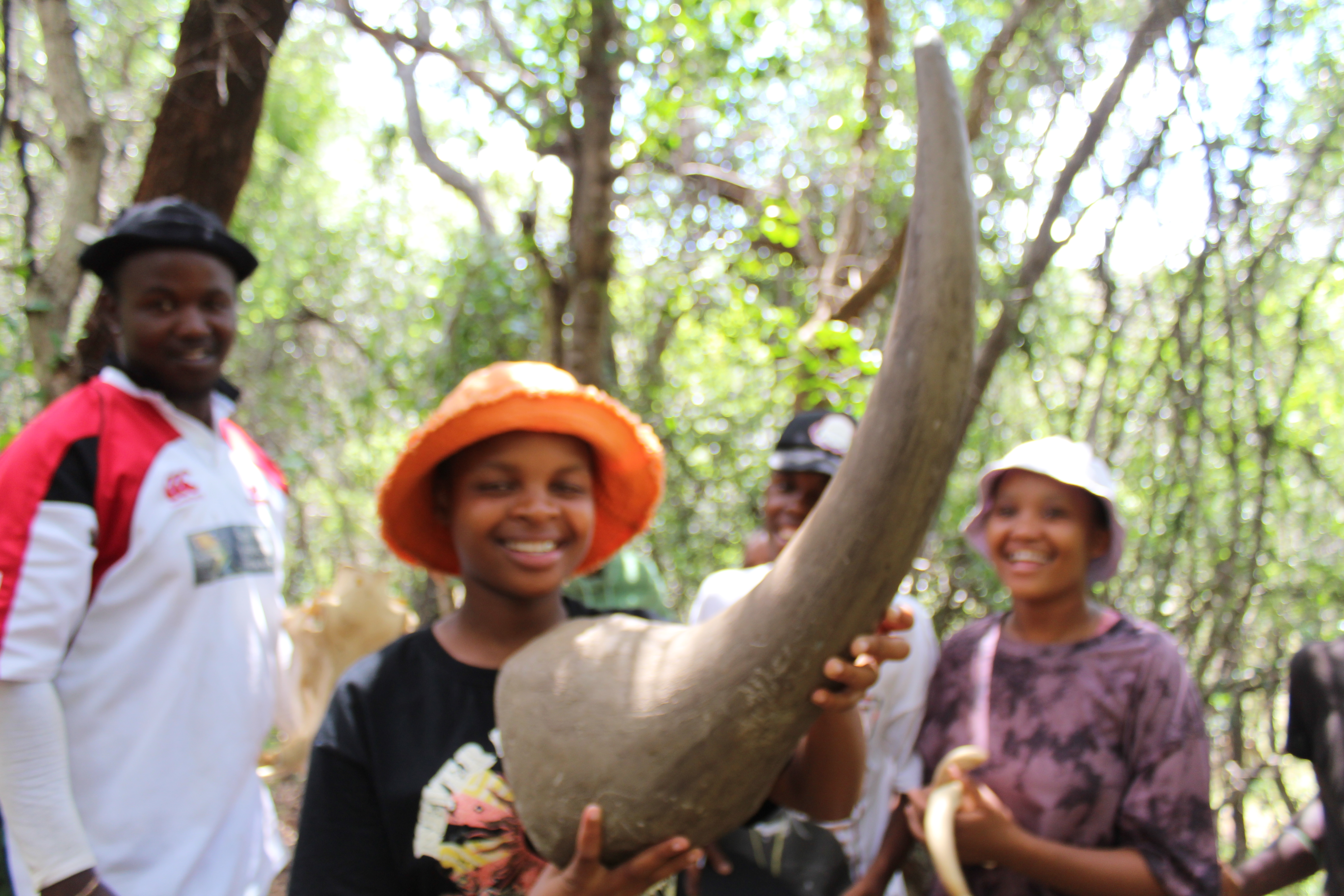
- Through their youth network they plan an awareness campaign to help learners understand environmental issues such as climate change, biodiversity loss, and pollution, encouraging them to become more responsible and environmentally conscious.
- The learners participated in a series of team-building activities aimed at improving collaboration, communication, build trust and enhance their ability to work together in group settings. Key outcomes included improved cooperation and problem-solving skills, which were applied throughout the week in all activities.

As one TWT supporter said, it’s “really encouraging to see the breadth of activities that these courses enable them to experience. They can only help in building all sorts of life skills and experiences for these youngsters.”
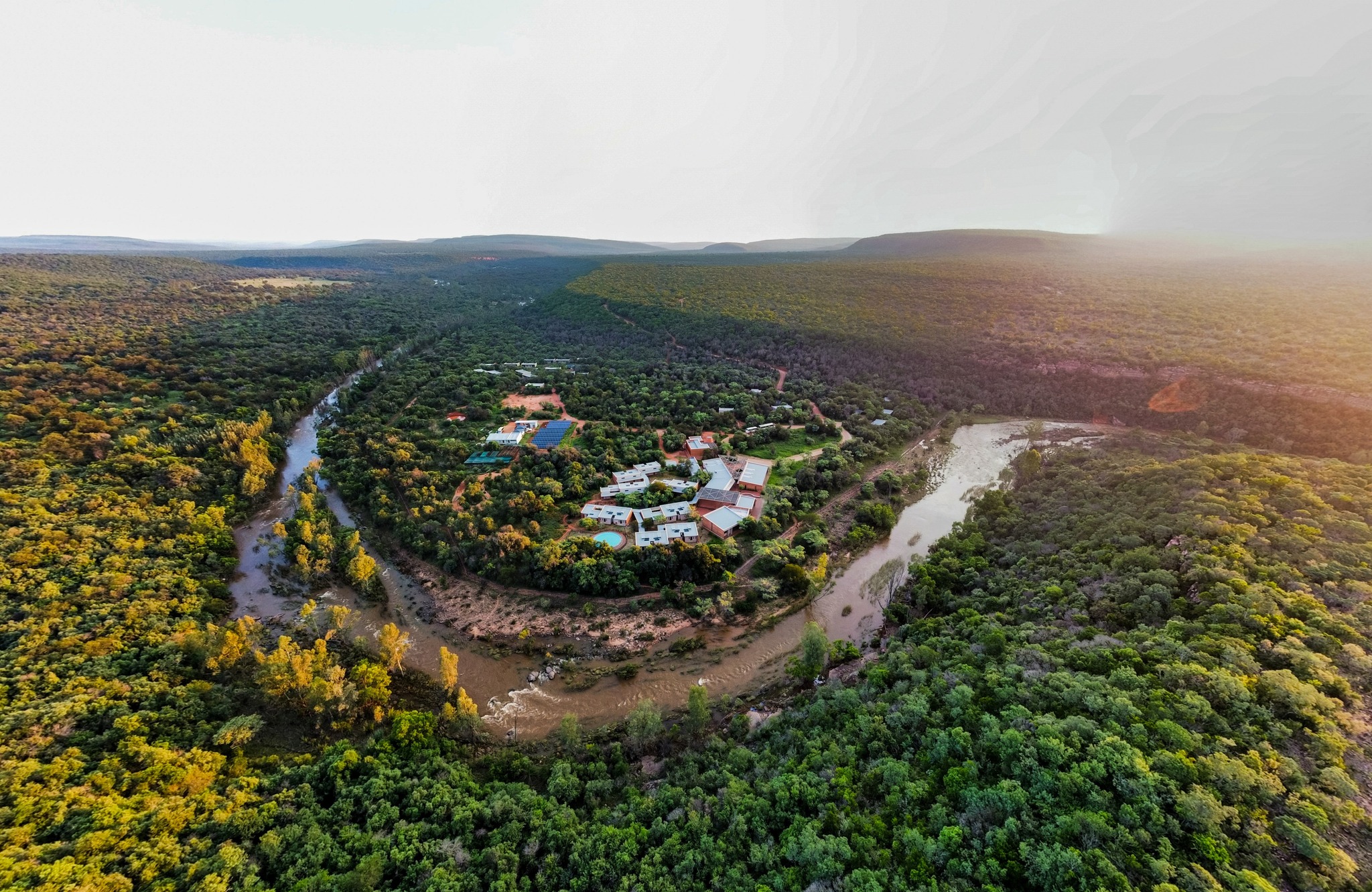
Nature Educational Walks
Guided nature walks allowed learners to explore the wilderness environment first hand. The walks were focused on educating learners about local flora and fauna, ecosystems, and the importance of conservation. They learned about indigenous plant species, archaeological sites, animal behaviour, and how human activities impact natural habitats.

Butterfly Traps and Citizen Science
Learners engaged in practical fieldwork by setting up butterfly traps to monitor local butterfly populations. This activity introduced them to citizen science, collecting data for environmental research. They learned about the importance of insects in maintaining ecological balance and the role of citizen science in supporting environmental research.

Game Drive
A thrilling game drive allowed learners to observe wildlife in its natural habitat. They had the opportunity to spot various species of animals and discuss wildlife conservation efforts.
This experience emphasized the importance of protecting habitats to maintain biodiversity.
Debate on Environmental Issues
Learners participated in a structured debate where they discussed pressing environmental issues, such as climate change, habitat destruction, sustainable resource use, overpopulation, pangolin conservation, rhino poaching, and waste disposal. The debate promoted critical thinking and allowed learners to express their views on environmental responsibility and the need for immediate action to preserve the planet.

Obstacle Course
A physically challenging obstacle course tested learners’ physical stamina, teamwork, and problem-solving abilities. It was also an opportunity for learners to push their personal boundaries and work cohesively in a group under pressure. The obstacle course emphasized perseverance and resilience, both physically and mentally, while fostering a spirit of camaraderie among students.

Key Learnings & Takeaways:
Environmental Awareness: Learners gained a deeper understanding of environmental conservation and sustainability practices. The hands-on activities, such as butterfly trapping and the game drive allowed them to connect with nature in a meaningful way.
Collaboration & Teamwork: The team building exercises fostered strong relationships among the learners, enhancing their ability to collaborate effectively in both academic and extracurricular settings.
Critical Thinking: The debate on environmental issues encouraged students to think critically about challenges we face and to develop well-informed opinions on how to address them.
Physical & Mental Growth: The obstacle course and other physically demanding activities helped students push their limits and learn to overcome challenges together.

Conclusion
The week-long visit to Lapalala Wilderness School was a highly educational and impactful experience for Leseding High School’s Grade 10 learners. It not only broadened their knowledge of environmental issues but instilled a sense of responsibility towards nature. The activities provided valuable lessons in teamwork, conservation, and personal development. The learners returned with a renewed commitment to environmental stewardship and a deeper appreciation for the natural world.
This is the 6th group TWT has been able to send form Vaalwater schools. You can see photos of the last group that went on this website.
We would like to thank TWT’s kind donors for sponsoring this excursion.
On Saturday 10th May, TWT are organising a cycle ride from Cambridge to raise funds to send another group. If you’d like to join us, please sign up here.
In 2026 it only costs about £30 a night to send a teenage or a 5 day residential course at Lapalala Wilderness School – great value for a life changing experience.
If you would like to sponsor a group of up to 120 local school children to attend a course there please contact The Waterberg Trust.
We also collect donations on Justgiving

 The Waterberg Trust