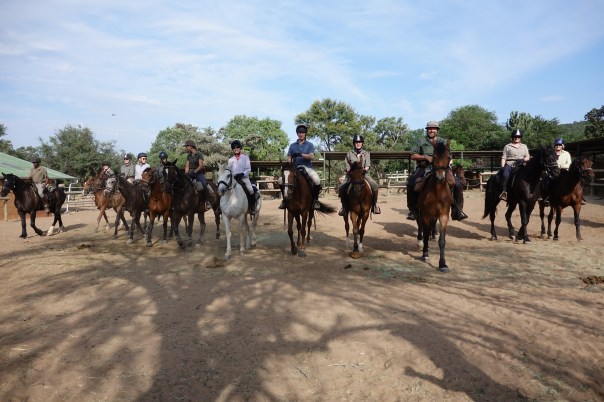
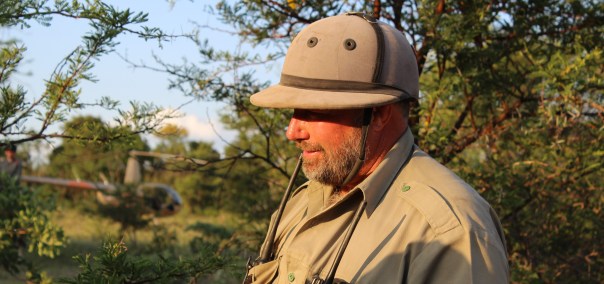
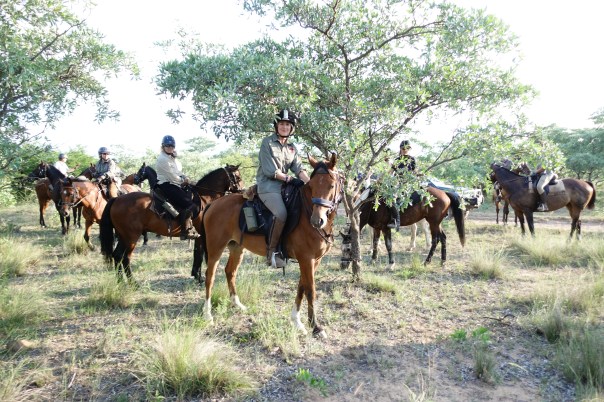
Riders set off early from the stables and were led across Ant’s Nest by Anthony Baber.

We learnt more about the Waterberg as we crossed into neighbouring game reserves.

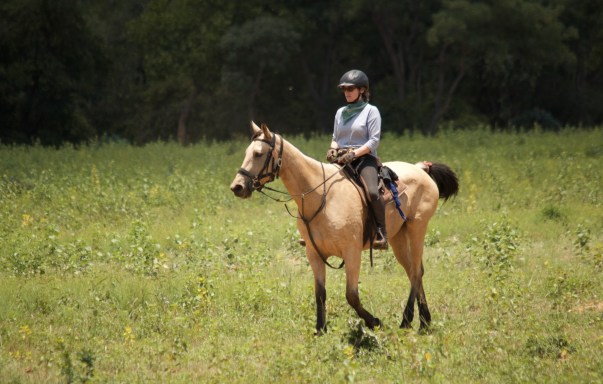
The African grasslands look benign but tend to be full of holes made by termites or burrowing animals, so it is safer to ride in single file, only cantering along tracks.

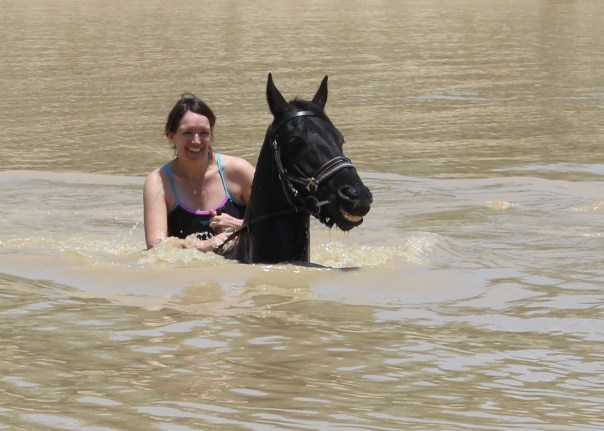
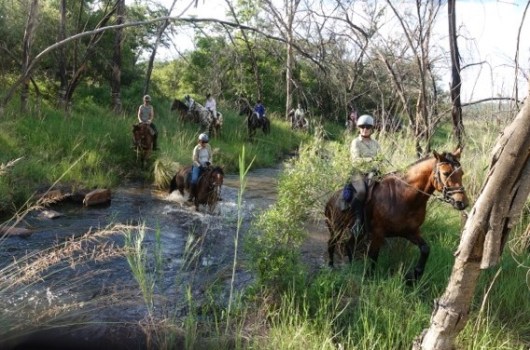
We watered the horses at dams and waterholes wherever possible and rode on.
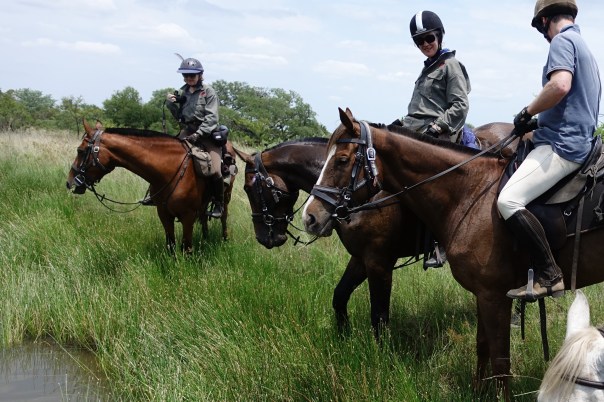
The aim was to cover as much ground as possible before the heat of the day.

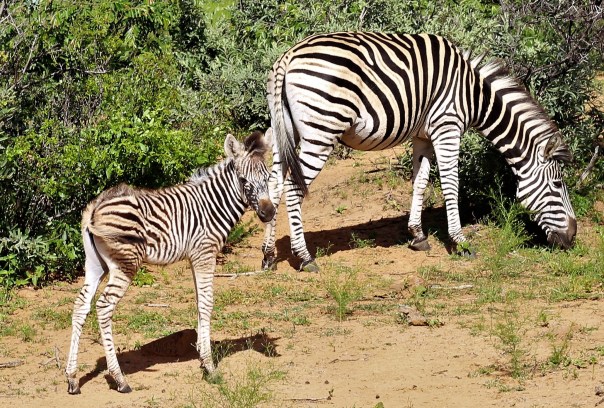
A herd of zebra and other game were spotted that morning and a fair distance was covered.

We were expected at the soon-to-be-opened Waterberg Living Museum. Here we met one of South Africa’s leading conservationists, the artist and writer Clive Walker, who explained the need for education in conservation, ecology and bio-diversity.

Clive founded the Endangered Wildlife Trust and set up the Lapalala Wilderness School which we were due to visit later in that week.
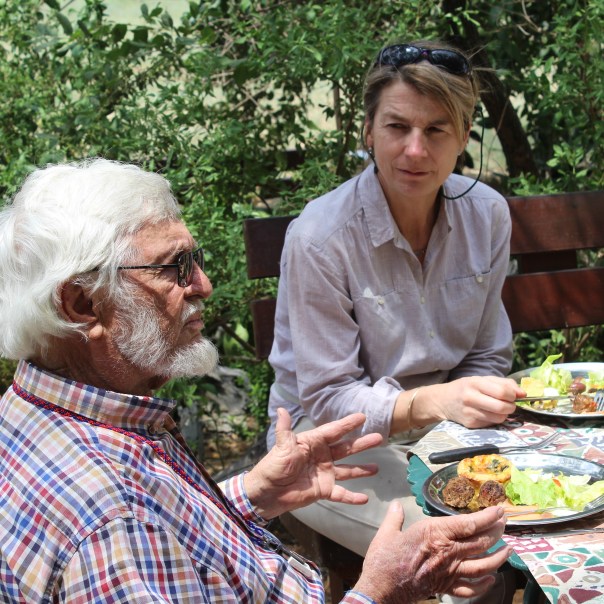
The Waterberg Trust had provided the museum with funds to purchase picnic tables and benches, which the riders found useful both during and after lunch.

Back in the saddle, the riders let their horses drink before crossing another game reserve.

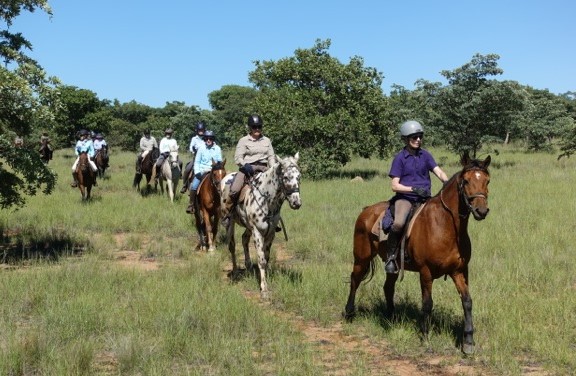
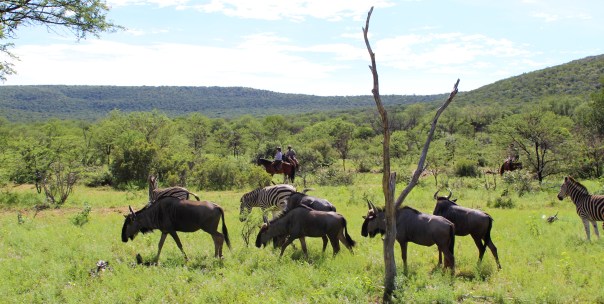
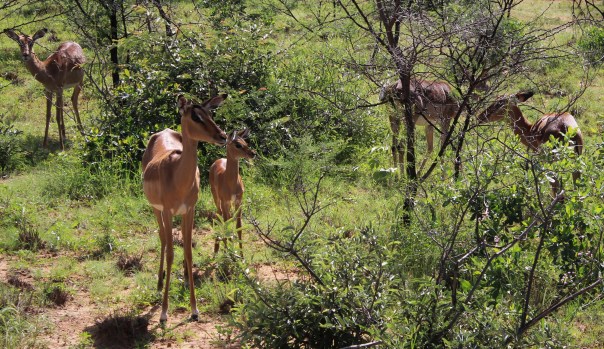
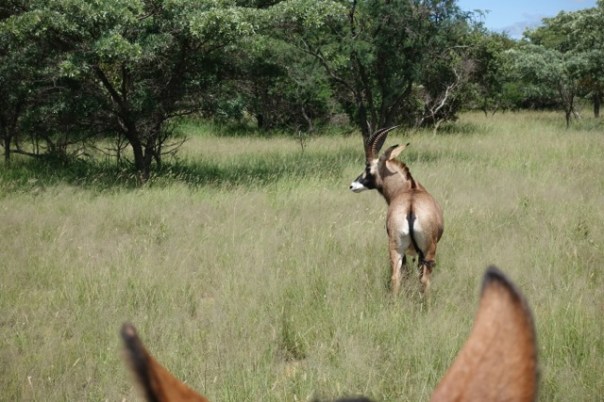
We traversed open grasslands where we saw zebra, blesbok and red heartebeest, spotting a baby waterbuck and rare golden wildebeest that are bred in the area.
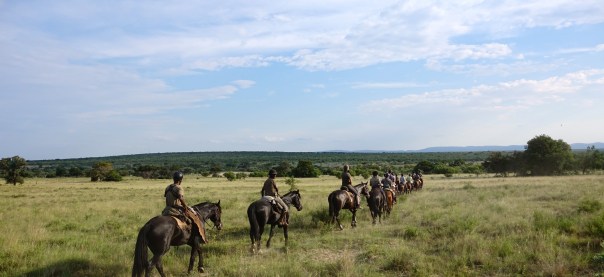
It was a joy to cross wide open plains as giraffe looked on from a distance.

At one stage we found ourselves cantering along beside running wildebeest, some of which crossed in front of the horses.

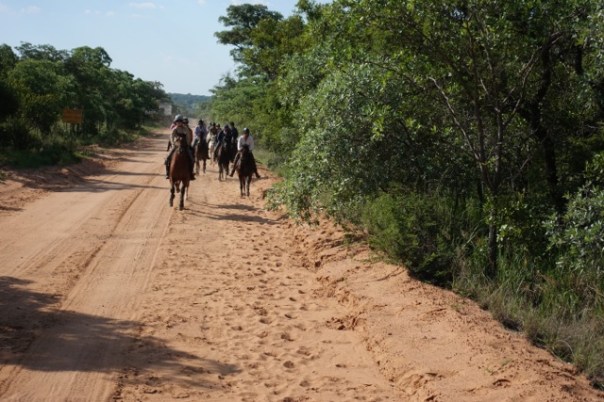
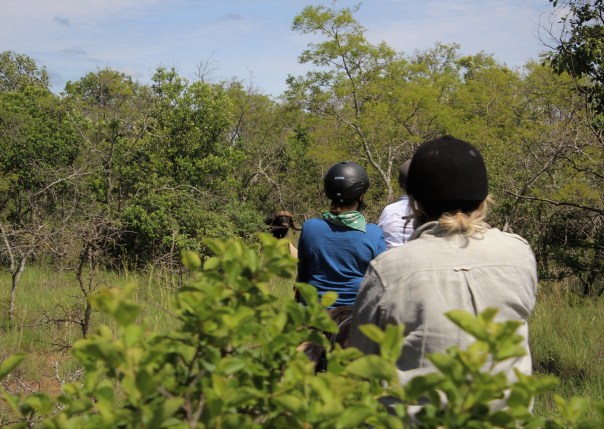
The going was good and as the horses picked up speed it could be difficult keeping a safe distance from the one in front.
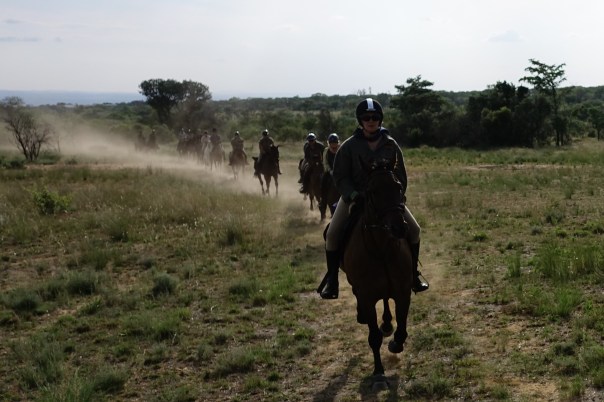
‘Was it dusty?’ I’m asked.

‘When fifteen horses are cantering, it is.’

We finally reached Waterberg Cottages where Ant grew up. The horses were able to relax and roll in a sandy kraal where they spent the night.

The gardens were verdant after the summer rain and birdsong filled the air.
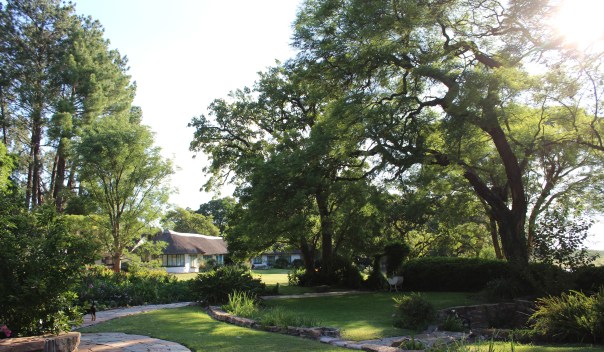
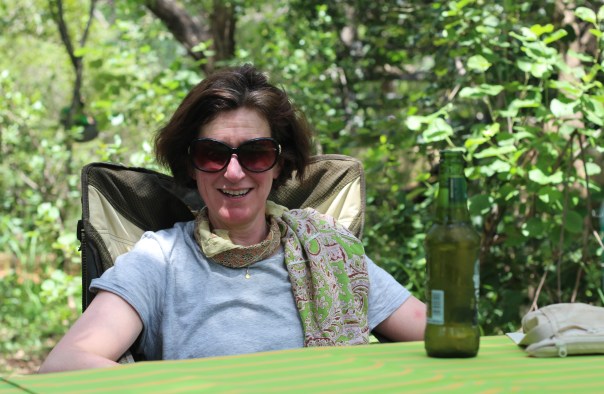
Some relaxed with a cold beer and made new friends or had a swim.

As dusk fell, one the riders held a Pilates lesson.

We were entertained by Ant’s sister, Juliet Calcott, who teaches at a local school. Her family had rescued this little bushbaby and were re-rehabilitating it.

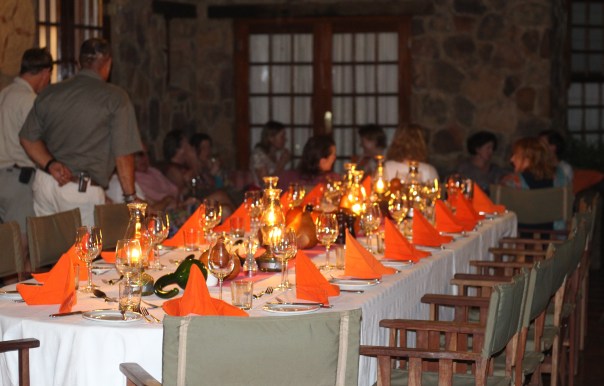
That evening we were treated to a home-cooked meal on the veranda of Windsong Cottage, the farmhouse built in 1928 by Alfred Baber, who farmed the land we’d been riding across using horses and oxen. Historic photographs of the Baber family, which hang in the dining room, can be seen here.

Juliet’s husband, Dr Philip Calcott, who is listed as one of the Great Guides of South Africa, then took the riders on a Night Sky Safari – giving a lecture on the constellations of the Southern hemisphere. You can find more information on Waterberg Cottages here and see learn how Night Sky Safaris began here:
The Waterberg Living Museum is now open and can be contacted on: info@livingmuseum.co.za










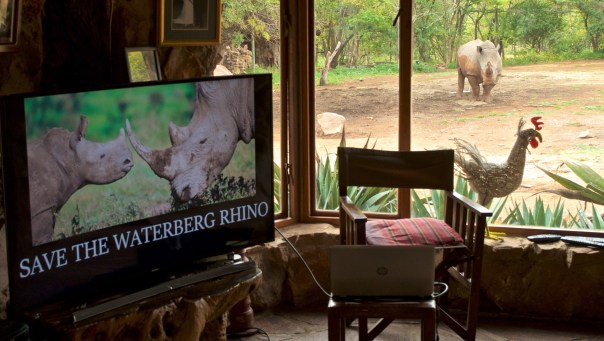
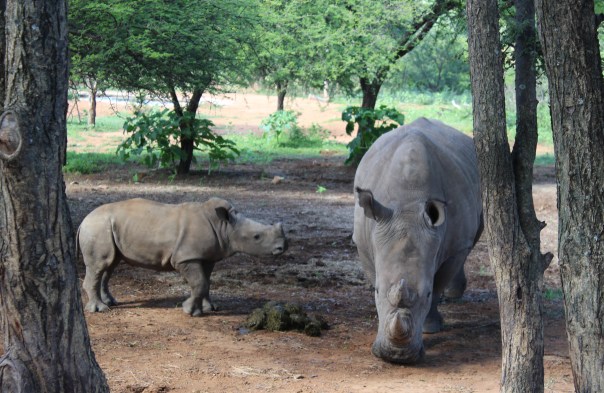
 Here they could observe a number of white rhino who arrived with a few warthog in tow.


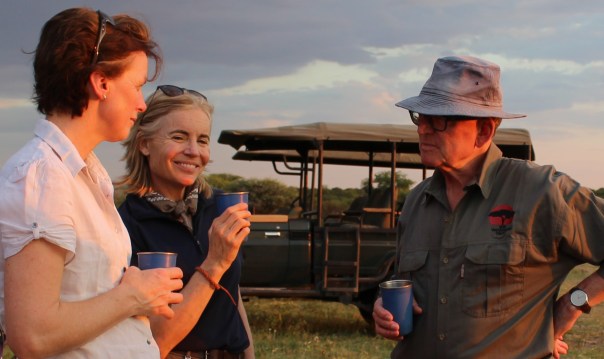


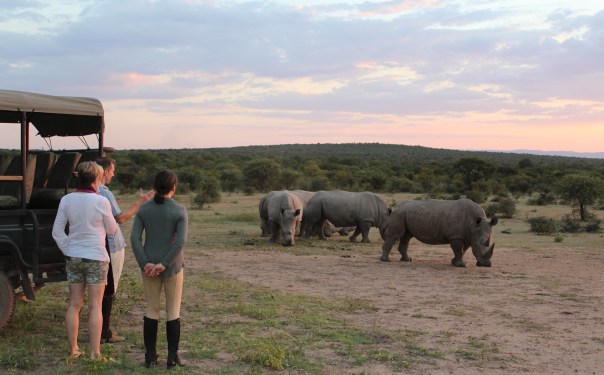

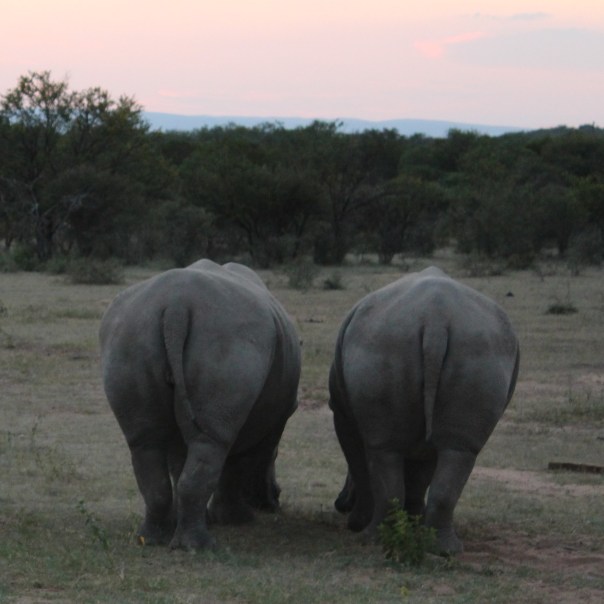
 ~Riders taking part in The Waterberg Trust Challenge Ride 2018~
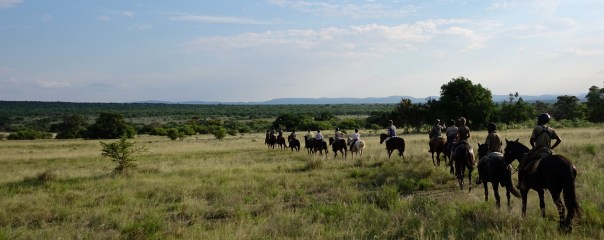 ~The Waterberg Trust Challenge Horse Ride 2018~
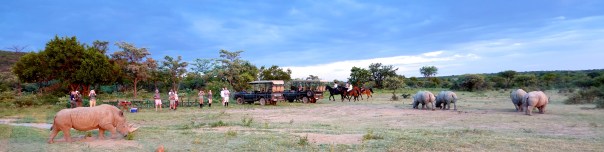 ~Rhino walking up to riders gathered on the plains at Ant’s Nest~
 ~Ant Baber~
 ~TWT riders observing zebra on Ant’s Hill game reserve~

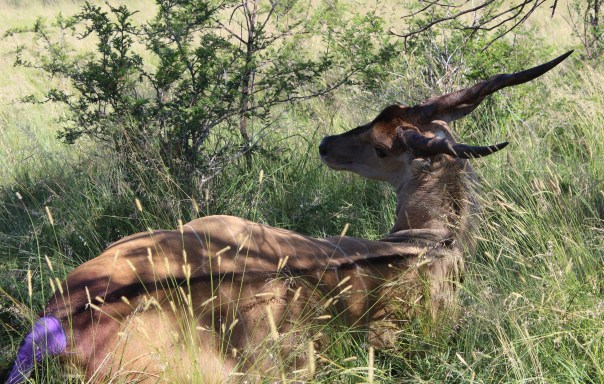
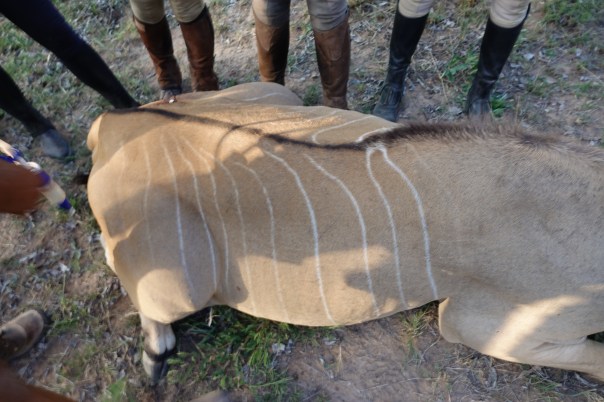
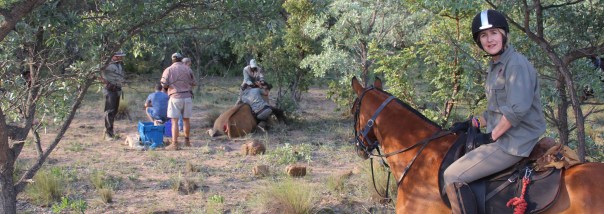 ~A sick eland cow receiving veterinary treatment~
 ~TWT Riders crossing Lindani game reserve~
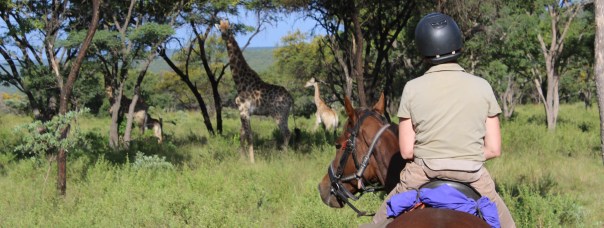 ~Observing young giraffe from horseback on Lindani~

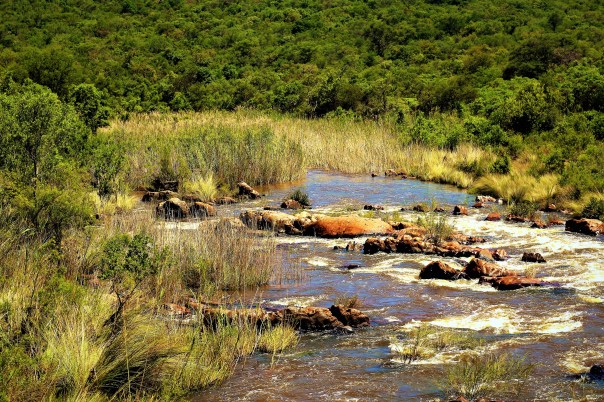
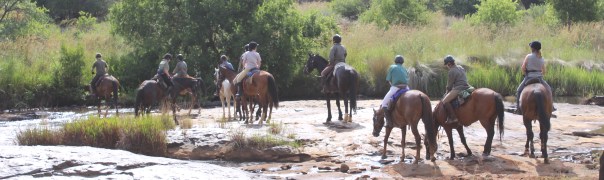 ~Reaching the Palala River on Jembisa game reserve~
 ~Discussing conservation issues with Clive Walker at the Living Museum~
 ~The Waterberg Trust Riders at
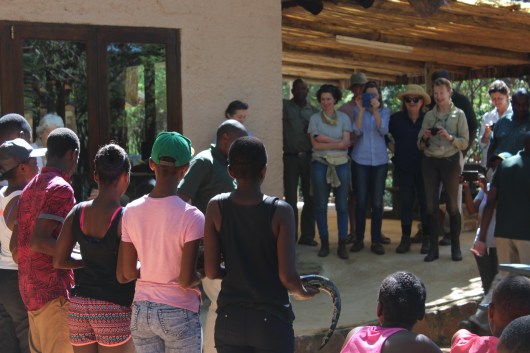
  ~The ‘Back to School’ project at Lethabo Kids Club in the township of Leseding~
 ~Nurse Grace telling TWT riders about her work in local schools~






 -Simon Williams-Thomas from Hampshire on ground support –


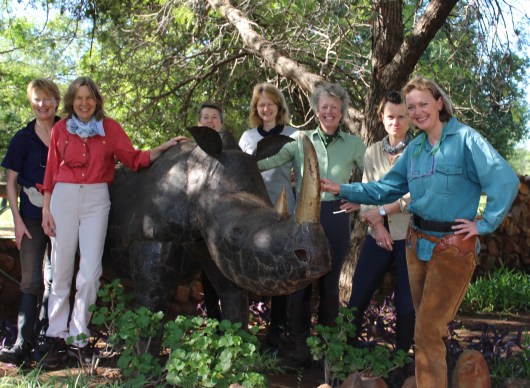
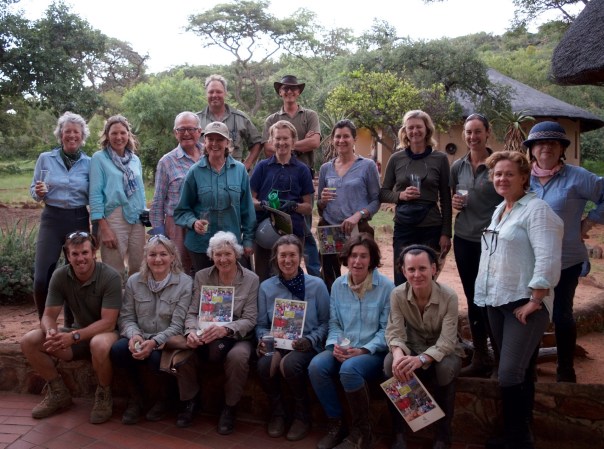 -The team: TWT riders and guides at Kolobe Lodge on Lapalala Wilderness, January 2017-
 – Sunset at Ant’s Nest photographed by Sam Scott –


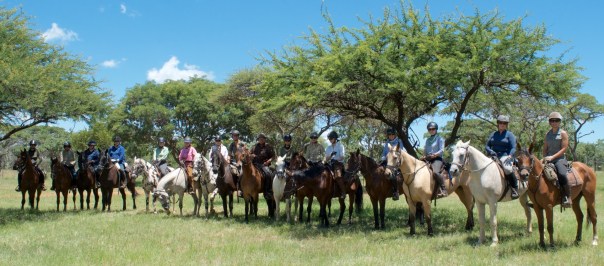





















 The Waterberg Trust