On daily basis, I am able to see 20 learners as well as those who are receiving ongoing counselling and check-ups.
Daily routine work at each school:
Learners with health related issues come to see me for consultation and examination. For emergencies/priorities e.g. those with fever, epileptic seizures, physical injuries, breathing difficulties, and flu-like illnesses are seen immediately. These may require referral to the clinic or private doctor. During the day I am available to see urgent cases which teachers are unable to deal with.
Life style matters such as diabetes, HIV infection, pregnancy, reproductive health issues i.e. menstrual issues, sexual transmitted diseases, mental and emotional issues including depression/psychosis are reported to me on daily basis.
I counsel and follow up on these learners on regular basis as appropriate and some of them are referred to the clinic or private doctor for further management. I also do home visits as needed and as time permits. I keep confidential records for each learner and record my daily activities.
SOCIAL MATTERS:
I usually deal with a number of social issues, making referrals to relevant stakeholders. Problems include:
Family disputes
Drug and alcohol use and abuse including tobacco smoking, cannabis, nyaope and glue
Hunger and inadequate food at home
Poor living conditions
Individual rights abuse e.g. no place to study, drunken family members disrupting the house
Physical abuse e.g. beating and causing injury to learners
DAILY SCHEDULE:
My daily schedule continues as agreed with management at the beginning of school programme. I report and sign from Meetsetshehla School every morning, then visit other schools.
Monday – Meetsetshehla High School
Tuesday & Wednesday – Leseding High School
Thursday- Mokolo and Mahlasedi Primary Schools
Friday- Meetsetshehla High School until 13.30pm, thereafter I do home visits to identified learners.
STATISTICS – Estimated from my records calculated from daily visits and follow up interventions:
Pregnant – 12 (four at Meetshtshehla, six at Leseding High School and two 15 year olds from Mahlasedi Primary) were counselled on average once a week after 30 weeks gestation approximately 108 visits
Medical Issues – 54 visits (Some learners were seen more than once)
Minor ailments –135 visits
Counselling– 63 sessions
Referrals – 25 (girls for contraceptives from the local government clinic)
Home Visits – 20
Health Education – 72 Learners from Leseding High School and 78 from Mokolo Primary School
Pregnant learners are monitored on regular basis to make sure they are attending antenatal clinic. Those under the influence of alcohol and drug abuse continue with counselling, which includes their parents and caregivers at home.
Liaison with the local government clinic is needed to follow up on those who are on chronic medication and to monitor adherence and progress by checking their files.
CHALLENGES:
School programme services for Meetshetshehla Secondary School were affected by the pending appointment of a new Principal.
Primary schools are still overcrowded and teachers have difficulty ensuring every learner has been assisted and understands their topics.
Interruptions of studies due to unplanned meetings and workshops where learners are returned home without being taught.
PROGRESS:
The support for school programme has been acknowledged and welcomed by the surrounding schools and the community, which makes work easier.
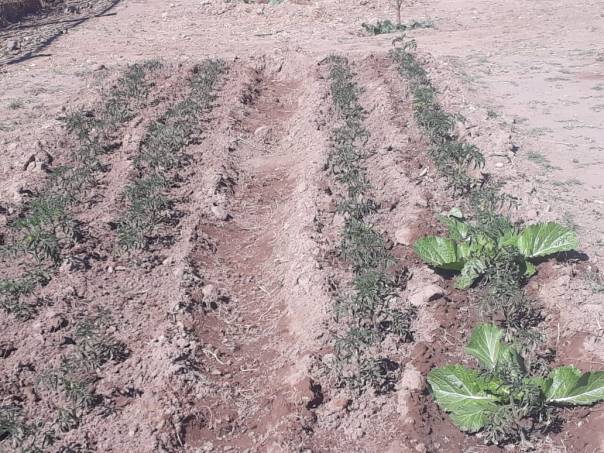
Mokolo and Mahlasedi primary schools have managed to set up vegetable gardens with the aim of supplementing nutrition to the learners.
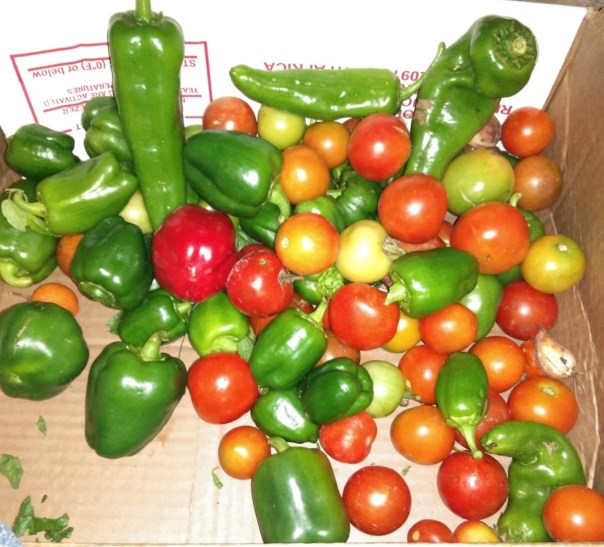
Produce from the Metsetshehla School vegetable garden sponsored by Environmental Impact Management Services
The Department of Education within the Waterberg district regularly visit the Schools to ensure teachers are doing their job as per requirement and to monitor those who are absent for no reason.
The community is involved with recycling and aware about the importance of keeping our town clean whilst they earn extra income from selling the recyclable materials. The environmental club held an awareness campaign to encourage every household to take part with green project by planting trees or to set up a vegetable garden
Learners know where to go to access contraceptives and STI screening i.e. the clinic
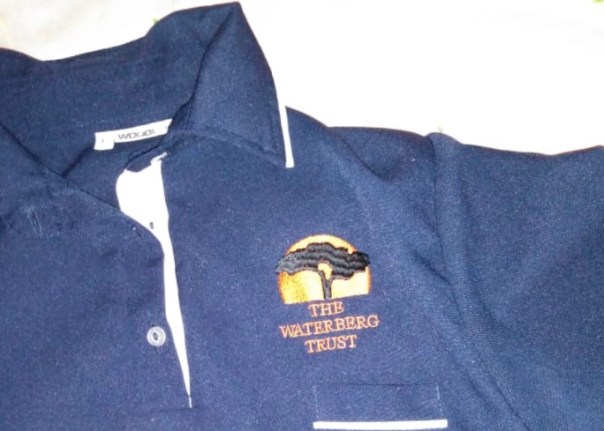
New uniforms for the school nurse
MEETINGS ATTENDED:
We had a meeting with the mayor, and different party leaders to discuss about issues of poor academic performance and standards of Meetsetshehla Secondary School. A follow up meeting by the mayor and party leaders was held on 13th January 2020.
The Social Development Services to discuss about ways of issuing food parcels to the vulnerable learners and their families.
The Victim Support unit based at the local police station and discussed ways to clamp down illegal drug dealers who supply illicit substances to youth in our community, issues of gender based violence and how we can prevent illegal weapons to enter on school premises.
Parents meeting held at the community hall to ensure they get involved in assisting their children to take education seriously and to avoid roaming on streets at awkward hours for safety reasons.
Crop of vegetables grown at Meetshesethla School Veggie Garden
FUTURE PLANS:
To extend school visits to Mothlakamotala High School at least twice per month as it is located 20km away from the feeder schools along the main road by request from parents. Learners who attend at this school come from our surrounding community and would access the services provided by the school nurse.
To ensure more teenage girls access contraceptives to prevent unwanted pregnancies i.e. those who are sexually active.
To educate primary school adolescents about sexual heath and reproductive issues before they reach high school
Monitoring and making follow ups on all babies delivered, those who are under alcohol & drug abuse to continue home visits involving parents.
Every home must understand the importance of nutrition and how to prevent malnutrition in babies that are left at home by learners i.e. to have proper information about balanced diet meals.
Community awareness education about gender based violence, HIV/TB, Alcohol & drug abuse, reproductive and sexuality health and where to go for help and support. Awareness can be raised during parents meetings and by inviting different stake holders like Social Workers, Party representatives, religious leaders and youth representatives to speak to the school community.
Kale grown in a school veggie garden for the nutrition project
ENVIRONMENTAL:
The Green School Program continues. I have been able to set up and maintain a primary school environmental club at Mokolo Primary School. The aim is to expose learners to gardening, wildlife and the importance of conservation. They also received a donation of shade netting, poles, garden tools, compost and seedlings from Environmental Impact Management Services (EIMS). To read more about this, please click here.
Mokolo primary school environmental club – grades 6 and 7
Acknowledgement letters were sent to those who continuously donate assorted items to schools i.e. Clothes, garden tools, educational trips, trees and vegetable seedlings: EIMS, THE FOLD CHILDREN’S HOME, HORIZON HORSE BACK, WATERBERG BIOSPHERE RESERVE and SAVE THE WATERBERG RHINO
Mr Thipe of Mokolo Primary School with Andrew Smith of EIMS
Mokolo primary school has 2,000 learners. Many are orphans and come to school hungry. The garden supplies additional nutrition to the feeding scheme. Mr. Thipe is the teacher in charge for the vegetable garden and links it to his life skills subject. The newly formed environmental club members help to water and maintain the garden.
This is nurse Grace’s new consulting room at Meetsetshehla School. She needs to add a lock to the door and kit it out. If you would like to help, please click here for different ways to donate.
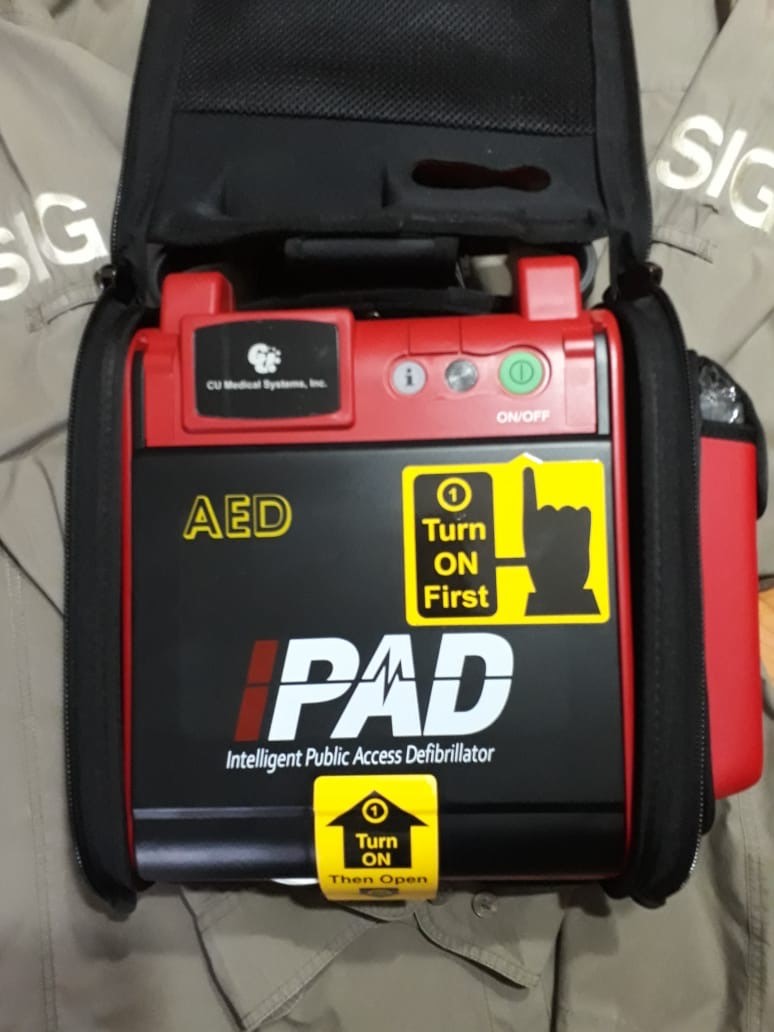
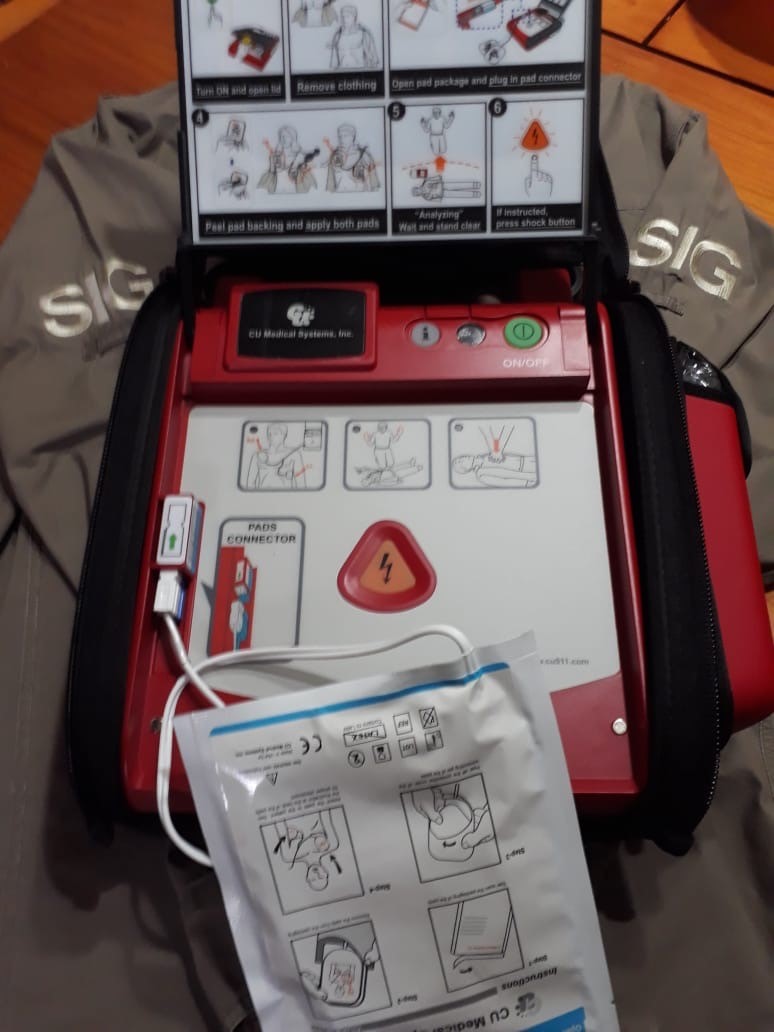
The Waterberg Trust has provided a life-saving defibrillator and First Aid equipment for use in emergencies in the Waterberg region of the Limpopo Province.
“The defibrillator is kept with Paul Dorfling, a qualified person who also has a fully equipped First Aid bag and SIG response trailer. The defibrillator has been going to every training exercise so all the First Aiders are familiar with it. “The battery and pads on the machine are about to expire and replacing them will cost about R5 000.”
The other two First Aid bags are kept with First Responders who have the proper training. They are split between the Melkrivier and Vaalwater areas to be available for any situation in the Waterberg.
The most recent use of the First Aid kits was at an accident on the main road to Modimolle. A TWT Trustee explained, “This was a horrid road accident just outside Vaalwater involving a tractor and car at night. The woman driving the car died on impact but her husband was treated on the scene by SIG for the couple of hours that it took before an ambulance got there.” SIG were the only people with First Aid training able to get to the scene. “There is now only one doctor in Vaalwater – Dr van Jaarsveld and she has not been here over the Christmas period.”
The First Responder from SIG said, “I found the bag helpful… The main items needed are gauze, plasters (different sizes and strips), sterri-strips for stitching, wound dressings, bandages, tourniquets and gloves.”
If you would like to make a donations to re-fill these First Aid bags refilled and provide new batteries for the defibrillator, please click here.
~Mr Thipe with nurse Grace Ismail at Mokolo Primary School’s vegetable garden~
The Environment Club, run by nurse Grace of TWT, have been busy establishing a vegetable garden at Mokolo Primary School in Leseding Township in the heart of the Waterberg . A great deal of effort has been put into cultivation but the project lacked resources.
~Tomato seedlings at Mokolo Primary School vegetable garden in need of shade netting~
The Waterberg has been experiencing a heatwave this Spring and without shade netting it is difficult to get plants established.
~Mr Thipe of Mokolo Primary School with Andrew Smith and his team from EIMS ~
On Friday 25th October, Andrew Smith returned to Vaalwater with the team from Environmental Impact Management Services to offer advice on optimising irrigation.
~Mr Thrip of Mokolo Primary School receiving advice from Andrew Smith of EIMS~
EIMS brought with them a trailer-load of supplies carefully selected to fullfill the needs of a school vegetable garden, help it succeed and provide nutritious food for pupils.
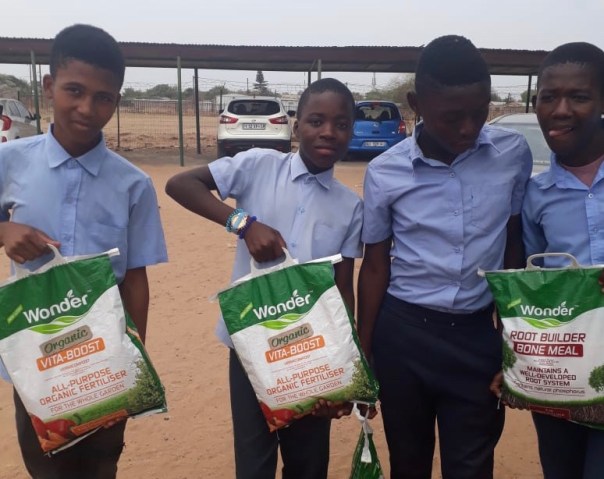
Members of the Environment Club and other pupils helped unload 20 x 20kg bags or organic fertilizer, along with spinach, green pepper, beetroot and tomato plants.
EIMS also donated garden tools, compost, shade netting, fencing material, fence posts and seeds to be planted in their school veggie garden.
Do get in touch if you would like to help uplift the people and place of the Waterberg. It is quick and easy to make a donation here, specifying how you would like to help.
~Members of the Environment Club on a one day course at Lapalala Wilderness School~
The Environment Club, overseen by NET’s School Nurse Grace Ismail, visited both the Living Museum and Lapalala Wilderness School recently. To read more about this, and other conservation projects the school club is engaged in, please click here.
~ The rhino room at The Living Museum in the Waterberg ~
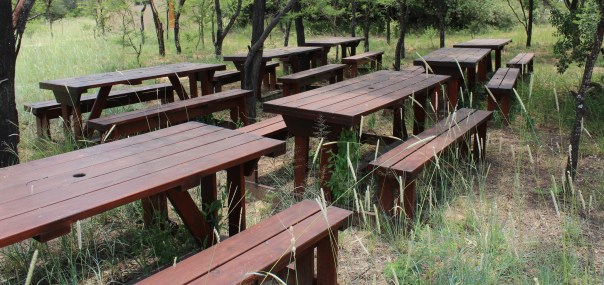
The Waterberg Trust has provided the Living Museum with information boards, tables and benches used by local pupils on school visits.
This month, Wilhelmina Loudon-Barnaart, board member of The Waterberg Trust, visited July Letsebe and Zach Sekhu at the Waterberg Welfare Society in Vaalwater. She enjoyed seeing around the after-school homework club, a learner support programme includes maths, English and computer studies. To read more about this, please click here.
~The learner support programme at WWS sponsored by The Waterberg Trust ~
If you would like to help The Waterberg Trust support conservation and educational projects in the Waterberg region of South Africa, please click here.
TWT recently visited the Waterberg Welfare Society’s homework club and were excited to receive a progress report.
Project Aims:
To provide extra tuition in Mathematics, Physical Science, English, Technology, Life Science, Geography and Agricultural Science.
To equip learners with broader skills, which will enable them to do well in exams.
To motivate learners so they are able to take up challenging subjects and fill the employment gap in the future.
“I never understood the importance of computer training, I thought I know everything to do with technology, I open all my social pages, and always on social media and that made me to think that I am good in technology! But since I started the basic computer literacy program I realized that there is still much to learn, so I am so happy for being part of the study club, so keep up the good work.” Lesego.
Project Outcomes:
Gaining knowledge and learning skills.
Improved cooperation between teachers and learners.
Improved digital (ICT) skills and better use of learning strategies.
Improved social skills and cooperation with peers, promoting adult–child communication.
~Tutors at the Waterberg Welfare Society Homework Club~
Progress in the implementation:
Pupils have shown growth and improvement in English presentations and reading.
They have learned how to best communicate with one another, giving others the necessary time and a chance to speak.
Tremendous progress has been made since the inception of the project. 50 learners (about 75% of the total) passed their first quarter school assessments and are highly motivated. Learners in Matric (grade 12) in 2018 passed their subjects and went on to tertiary education (Institutions of higher learning).
Once we get school reports for the 2nd quarter of 2019 we will have the opportunity to analyse and compare the first and second quarter school performance for all registered learners.
Overall, the learners have geared themselves towards academic achievement.
The programme has become a huge success in the community. 70% of our learners are exposed to basic computer literacy.
Learning aid/materials and stationary were purchased. All registered participants receive a daily nutritious snack. This has increased their contribution and commitments in the programme.
We have been able to incorporate learning whilst we play ball.
80 people have benefited from this project each month:
45 participants between the ages of 7 – 12 years old (30 girls & 15 boys)
35 participants between the ages of 13-18 years (22 girls & 13 boys)
What are the major challenges and how are they overcome?
The major challenge was lack of communication skills among participants (talking at each other, not giving each other a chance to speak, disrespecting one another etc.). We were able to overcome this by using a ball as a communication tool, each one speaking with a ball in their hand and giving one another a chance to speak. This helped the kids realise that it is a lot better to listen and understand rather than to talk at each other and that communicating is more than just speaking.
The secondary school participants are not able to use a computer and yet they are given lots of school research projects. We have introduced basic computer literacy sessions with participants from the primary phase. This has brought confidence, created skills and and understanding of basic research.
Learners tend to deviate from the normal time-table and try to focus on either what they expected or immediate tasks needed by their teachers. This means our planned activities change on an almost daily basis. The educator is forced to alter the plan to suit the learners’ needs. Sometimes the learners bring the subject matter, which is out of the plan for that day, and not part of the subjects mentioned for study. Monitoring of daily tasks becomes a problem. The educator moves around checking learners study programmes but sometimes this is a challenge. A discussion needs to be held with registered participants in order to come to a workable solution. It is always important to involve participants in decision making process.
The impact of the project during the reporting period:
Improved social skills of registered kids
Improved performance at schools
Improved self-esteem and confidence
“… made me to understand challenging topics in Physics like Mechanics, energy and in Mathematics. I can now solve problems in Geometry through the help of my Tutor. He has done a perfect job in sharpening many learning mind in Science Subjects. I also now have a career through the help of my Tutor. I appreciate the services given to me”. By Rebecca
What lessons were learnt during the implementation of the project?
Communication through various texts, writing, speaking, reading, visuals and drawing.
Promoting paired, shared and individual reading is critical, the culture of reading is key and this needs to be promoted at a household level.
Exposing participants in various career workshops/session at an early stages in critical.
A safe space for participants should always be maintained at all times, this enables them to share some of the frustrations they are encountering in school, the community and at home such as bullying, peer pressure and etc.
~Some members of the Waterberg Welfare Society’s ‘Soul Buddies’ homework club~
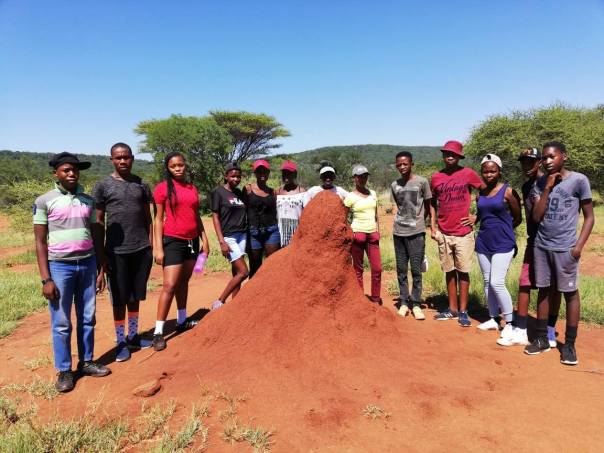
This year, The Waterberg Trust enabled 59 students and two teachers from Meetsetshehla Secondary School in Vaalwater to attend a week’s residential course at Lapalala Wilderness School in the Limpopo Province of South Africa about 3 hours due north of Pretoria.
The group travelled north into the Africa bush on a bus also funded by TWT so that no one was excluded by the cost of transport.
Since other pupils from Meetsetshehla had been on the environmental course on previous years, everyone was expectant, eager to grasp the opportunity to learn about ecology and nature conservation.
After a course on snakes and the value of all creatures in balanced eco-systems there was a module on plastic pollution and re-cycling. Everyone learned how they can make a difference and improve the environment, allowing wildlife to thrive.
Students donned life-jackets to examine aquatic organisms and try swimming in the Palala River, which runs in front of the eco-school.
This was a new experience for most and proved an opportunity to learn about physics.
Teamwork proved essential when constructing a raft and negotiating the river.
Leadership training has always been recognised as an important life-skill at Lapalala Wilderness. It will be interesting to see if any of these young people take up a career in wildlife conservation or management of natural resources.
Learners were set a number of different challenges during the course of the week.
There were a range of outdoor activities that tested pupils in a variety of ways.
The obstacle course in the African bush was enjoyed by one and all
including the teachers accompanying the teenagers who found themselves wearing many hats.
It proved an unforgettable, life-changing experience. To read more about previous visits to Laplala Wilderness School, funded by TWT and watch a short film, please click here.
If you would like to sponsor children of the Waterberg to go on a 5 day residential course at Lapalala Wilderness, please contact us using the comments blow or find details here.
School Nurse Grace Ismail of the Northern Education Trust, whose salary is provided by The Waterberg Trust, reported that pupils in the Waterberg were struggling to find the money to buy sanitary towels. In 2018, The Waterberg Trust were able to donate a number of disposable pads but a permanent solution needed to be found. Some girls were missing more than five days of lessons a month and their academic results were being effected.
Verita Shikwambana, Andrew Smith, Sophie Neville, Ivy Rachele and School Nurse Grace Ismail at Meetsetshehla Secondary School in Vaalwater
On Thursday 24th January 2019, Andrew Smith of EMIS (Environmental Impact Management Services) in Johannesburg kindly drove Verita Shikwambana from the NGO Dignity Dreams up to Meetsetshehla Secondary School in Vaalwater to meet Life Orientation teacher Ivy Rachele and School Nurse Grace Ismail.
Verita Shikwambana of the not-for profit organisation Dignity Dreams
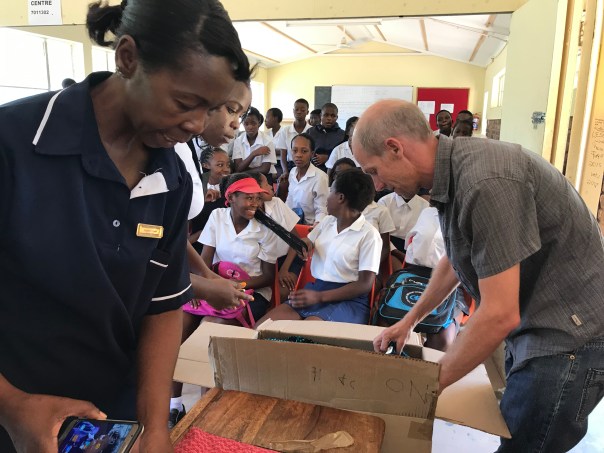
After being a short meeting with the Headmaster, Verita Shikwambana of Dignity Dreams gave a talk on menstrual health to about ninety schoolgirls before introducing the concept of eco-friendly, washable sanitary pads.
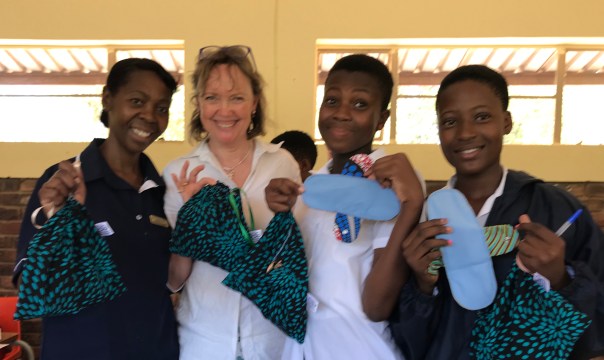
Packs of 3 day time pads, 3 night time pads, a zip-lock bag and cotton carrier bag
Dignity Dreams manufacture multi-use pads that are designed to be washed in cold water with Sunlight soap, rinsed in salt water and dried in the sun. The packs of six are carefully made by hand and last four or five years. Lessons need no longer be missed. Girls gain in confidence and are free to achieve their potential in life.
Artist Susie Airy, who has raised funds for TWT by selling her paintings, helped to distribute one pack to each learner. ‘I wish my daughters could have heard such an interesting talk when they were at school,’ she said later. ‘It was wonderful to take part in this project.’
Nurse Grace, TWT Trustee Sophie Neville and pupils with the packs of Dignity Dreams
The girls were amazed to hear that the packs were theirs to keep and for them alone. Four weeks after this talk, Nurse Grace reported:
“I have received positive results from 75 girls who said the pads are working well without any problems…. many girls at Meetshetshela are no longer absent because of menstrual issues. Girls are also reading the book which Dignity Dreams left, entitled MY BODY #Noshame which talks about puberty, pre-menstrual syndrome, hygiene, period pain and exercises to relieve cramps during menstruation. The remaining learners from grade 10 to 12 will need 180 packs.”
Nurse Grace wants to see if the pads can be made locally. Dignity Dreams provide lessons for those keen to sew at home as a small business initiative and encourage tailors to sell to adults.
Very many thanks to Andrew Smith of Environmental Impact Management Services who sponsored 96 packs and drove the consignment up from Pretoria, along with the speaker. The Waterberg Trust was able to match his donation to provide a total of 210 packs so all the girls in Grades 8 and 9 could be equipped. The other state secondary school in the Waterberg also has girls who are also in need of sanitary pads and of course new girls arrive every year. Horizon Horseback Safaris have kindly given a donation of disposable pads to help keep the girls supplied in the short-term.
It costs approximately £10 to give one pack of six sanitary pads to a schoolgirl in the Waterberg and yet it can have life-changing consequences. If you would like to give one pack , or perhaps one pack a month, please click here for details on how to make a donatation.
We noticed that Nurse Grace needs a hospital screen on wheels, so that she can conduct examinations in private. She also needs a new office chair or these old ones to be repaired. Is there anyone in Vaalwater who could help?
If you would like to add a donation, however small, please click here for TWT’s Justgiving page
With many thanks to Ant Baber who led the ride, all those at Ant’s Nest, Waterberg Cottages, Lindani and Jembisa Private Game Reserve where the expedition ended with a full gallop down the airfield.
~Thirteen tired riders completing the 208 km ride across the Waterberg in South Africa~
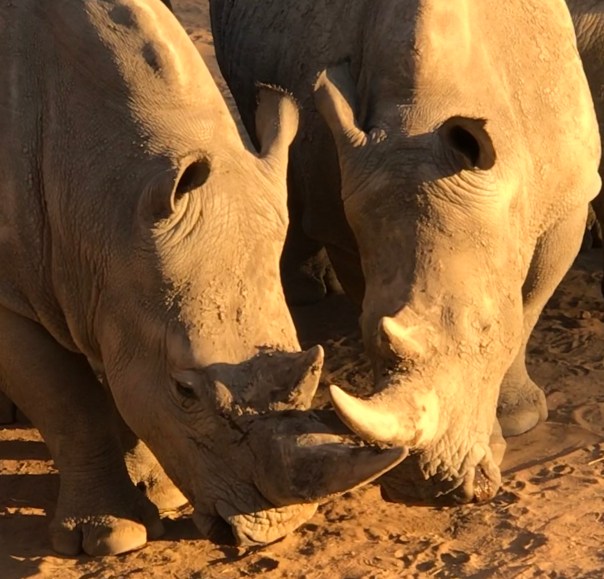
~White rhino, their horns micro-chipped and saturated in poison, are under 24-hour armed guard~
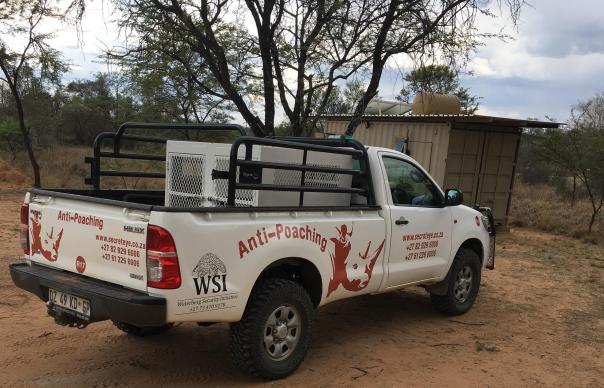
The Chairman of The Waterberg Trust reports, ‘Having just returned from the Waterberg, I can confirm that the The Waterberg Trust security container is being used by the Waterberg Security Initative at the Living Museum.’
~Some of the WSI rangers~
‘We met one of the guards there and saw how the container is used as a staging post for security patrols.’ These run through the night. This security container was bought with funds raised on The 2016 Waterberg Trust Challenge Ride.
~A patrol vehicle outside a security container purchased with funds raised by TWT riders~
As a result of funds raised on the The Waterberg Challenge Ride 2017 and a dinner held at Southill Park by kind invitation of the Whitbreads in November 2017, a significant grant was made to Save the Waterberg Rhino for the installation of LPR cameras to cover what is know as the Dorset/Palala/Melkrivier security cluster. This includes all the reserves traversed this January on The 2019 Waterberg Trust Challenge Ride.
The cluster will be run by the Waterberg Security Initiative (WSI) who are responsible for utilising the sophisticated software that highlights any suspicious activity. It records evidence and prompts security patrols to apprehend potential criminals.
The increased level of security will not only help in the fight against rhino poaching but also combats other crime in the Waterberg.
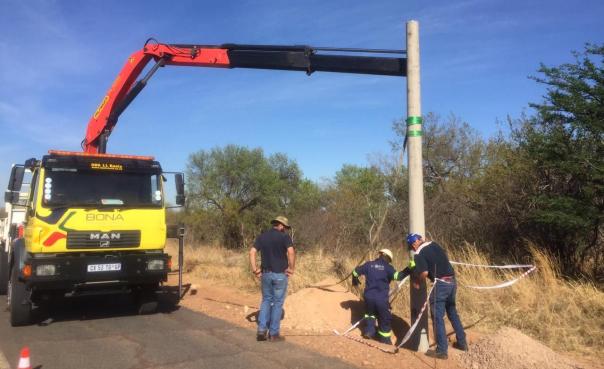
~Substantial posts being planted on which LPR cameras are mounted in the Waterberg~
The License Plate Recognition cameras purchased with a substantial grant from The Waterberg Trust are all installed and are live. They use highly sophisticated technology, operating 24/7 to monitor vehicles in the area. Cameras in the neighbouring Greater Marakele Cluster are also being installed and should be live next week, thanks to a grant from TUSK.
Since The Waterberg Trust is a UK registered charity we can apply for grants in the UK, accept CAF cheques and add Gift Aid to maximise donations to Save The Waterberg Rhino. If you would like to help financially, please click here.








 ~Mr Thipe of Mokolo Primary School with Andrew Smith and his team from EIMS ~

 ~ Anton Walker & Clive Walker with members of TWT and Save The Waterberg Rhino~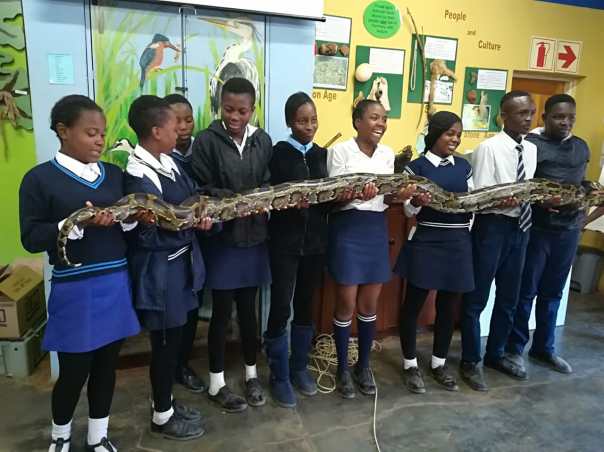



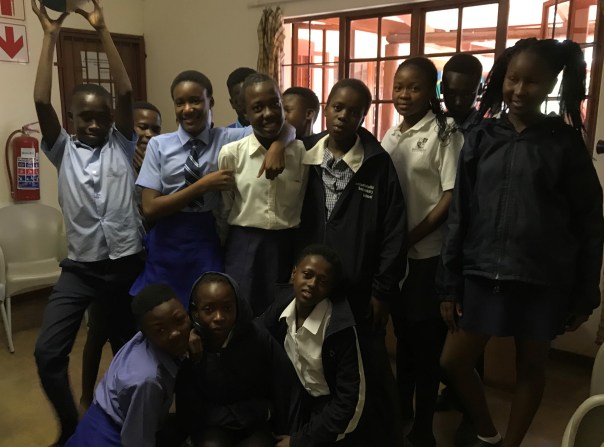

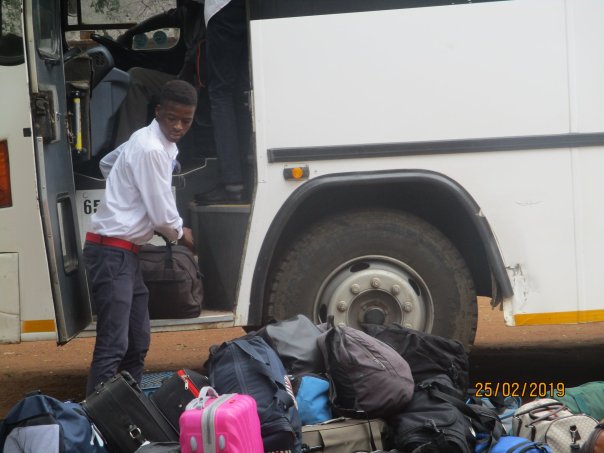

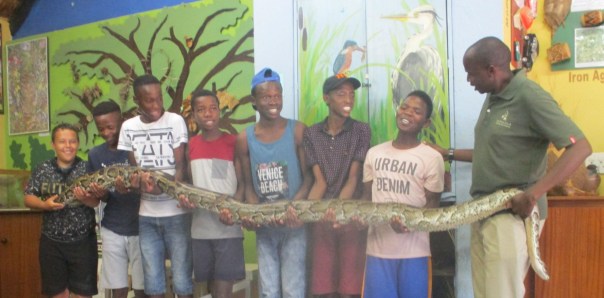 After a course on snakes and the value of all creatures in balanced eco-systems there was a module on plastic pollution and re-cycling. Everyone learned how they can make a difference and improve the environment, allowing wildlife to thrive.
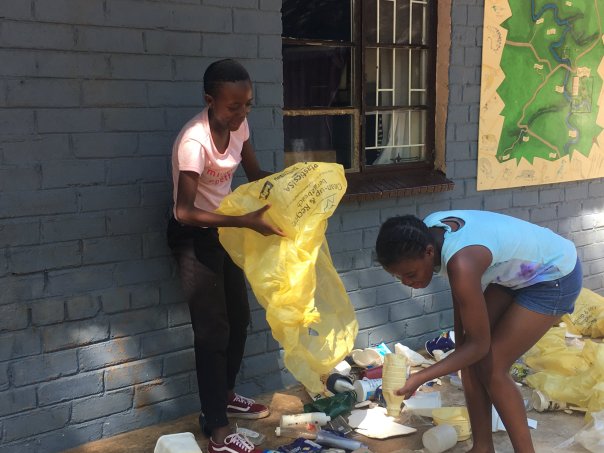 Students donned life-jackets to examine aquatic organisms and try swimming in the Palala River, which runs in front of the eco-school.
 Teamwork proved essential when constructing a raft and negotiating the river.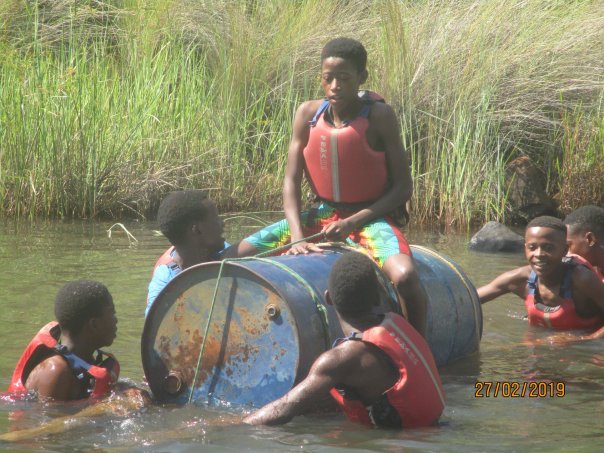
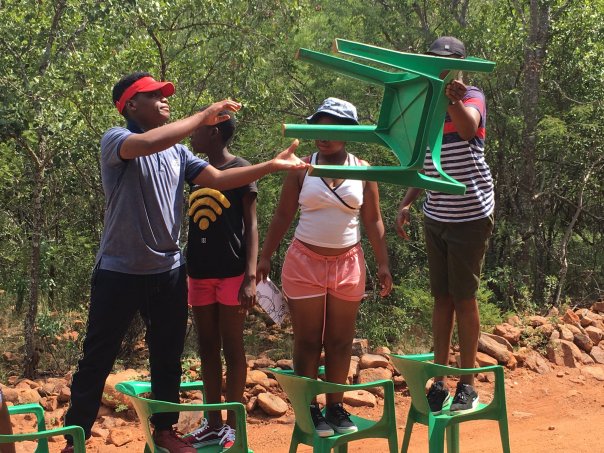 Learners were set a number of different challenges during the course of the week.

 including the teachers accompanying the teenagers who found themselves wearing many hats.




 12 TWT supporters rode across 7 different game reserves in 6 days covering 208 kilometres to raise funds for






 The Waterberg Trust